
April 27, 2016, was the day that forever changed my perspective on how the system treats Black and Latino youth. I was contacted by one of my former students, disturbed by the criminality of the Eastchester Garden raid. Over 700 police officers, FBI agents, and immigration agents descended upon the neighborhood, arresting 120 Black and Latino youth in a show of force that would leave a lasting impact on the families in its wake.
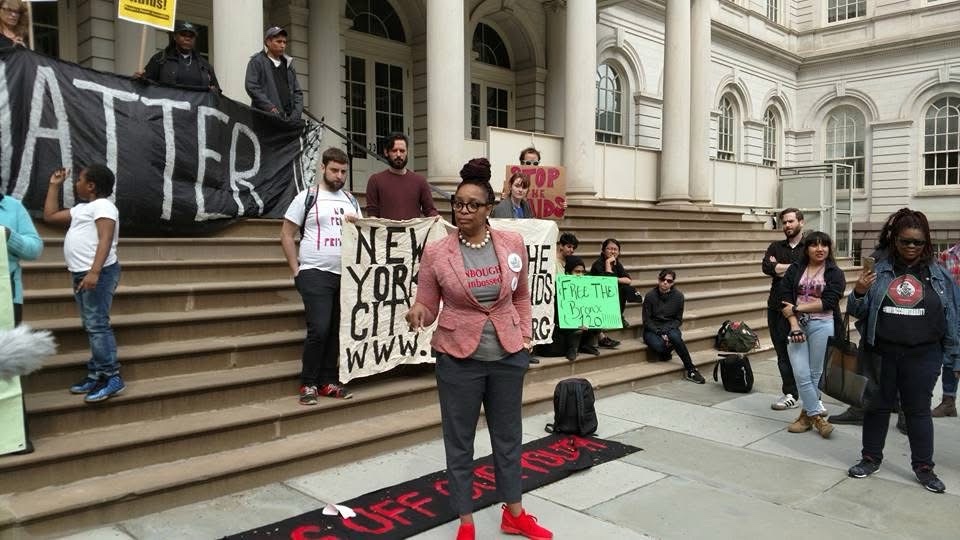
For the last 28 years, I have had the privilege of teaching Black boys. I have watched them grow, learn, and struggle to overcome the barriers put before them by a system stacked against them. As a mother of two sons, I get the weight and the burden that we carry as parents within these communities. I’ve witnessed the trauma: the intergenerational, historical, and chronic trauma. Trauma that’s been passed down from generation to generation, and it rips my heart out every day.
The April 27th, 2016 raid in the Bronx was no isolated incident. It was the culmination of a long history of police targeting Black and Latino youth in public housing. In 2014, the NYPD raided the Grant and Manhattanville Houses in West Harlem and arrested 103 young men. Two years earlier, the Taft, Johnson, and Lehman Houses in East Harlem had been raided and 63 young people had been indicted. These raids weren’t about public safety, they were about criminalizing an entire community.
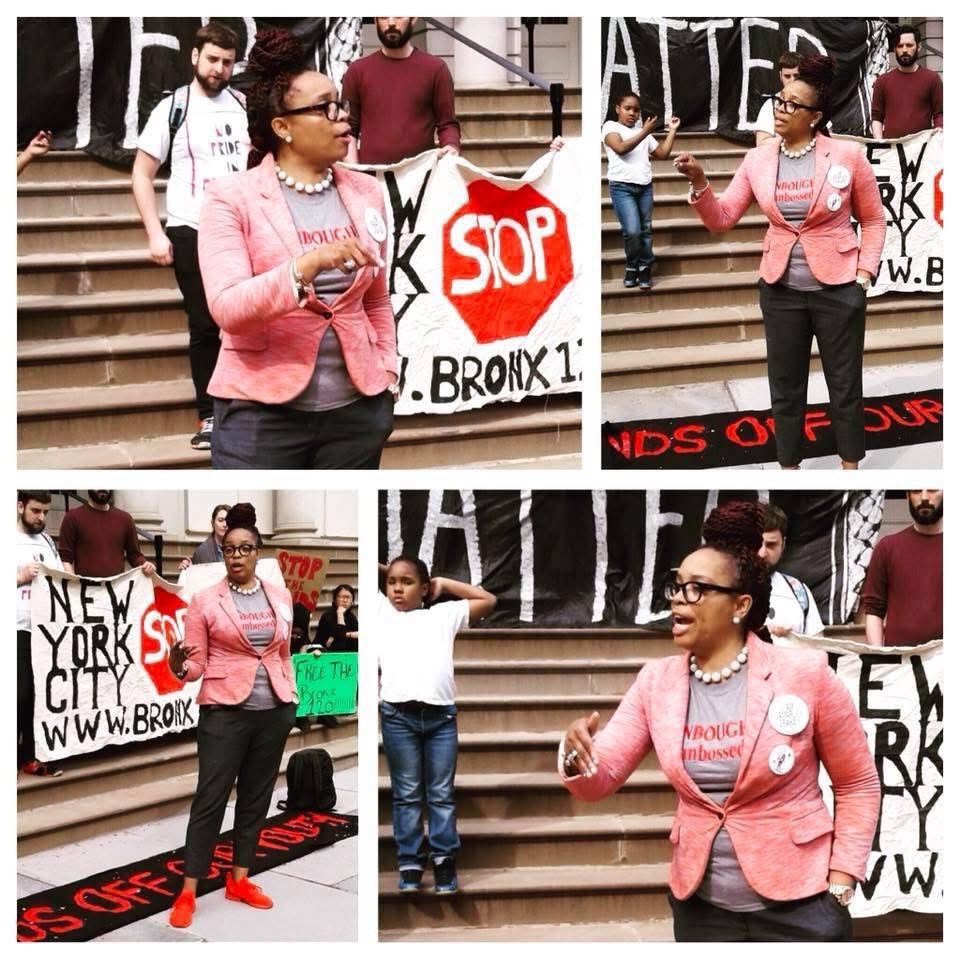
Then, police commissioner Bill Bratton made a chilling promise that summer: more raids would be coming. These aggressive tactics are nothing short of a war on Black and Brown youth, and it’s been happening under the guise of “community policing” and “crime prevention.” But in reality, what we’ve seen is a consistent erosion of the future of young people, particularly those from marginalized communities.
There is hunger in the system for Black boys. An unrelenting hunger to incarcerate them, to dismantle them before they can even grow. Prisons are filled with the potentials of young doctors, lawyers, entrepreneurs, scientists, fathers, and activists. Futures that will never be fulfilled because the system has already written their fate. They are warehoused in prisons like commodities, their dignity and potential removed, all for the sake of continuing a system of control that benefits a few at the cost of many.
But it isn’t just the youth who are impacted. The trauma extends far beyond the walls of the prison cell. It seeps into the lives of every family who has been affected by these raids. Mothers and fathers are left devastated by the loss of their sons, and children are left paying the price of their absence. It is a trauma that is generational. It is a trauma that is inherited, parent to child, community to community. It upends the very essence of what it is to build a life, to dream, and to hope.
I’ve seen it in the faces of mothers and fathers who have had their sons snatched away. I’ve heard the grief in their voices when they ask, “What happened to my child? What did they do?” The answer is clear, they were caught in a system designed to break them, and it’s the parents who bear the emotional and psychological toll.

I stand today not just for the boys who were ensnared in these raids but for those no longer living. For Geo, who died directly because of the trauma that these raids caused his community. And for Mark Williams, Quaysean Cannonier, Carleto Allen, Richard Montaque, James Pilgrim, DaQuan Reid, Ricardo Stewart, Dantee Plumer, Brian Richards, Robert Haughton, and the many others whose names have been claimed by the system. They were young men with futures, with dreams that I hope are still anxious to fulfill them.
We cannot stay quiet as our children are being killed by an unjust system. We have to get up, mobilize, and march to end the raids and stop mass incarceration. The battle is not over. It won’t be over until the system that profits from the destruction of Black and Brown communities is destroyed.
#StopTheRaids #StopMassIncarceration #NoJusticeNoPeace
 thaBUMPblog